
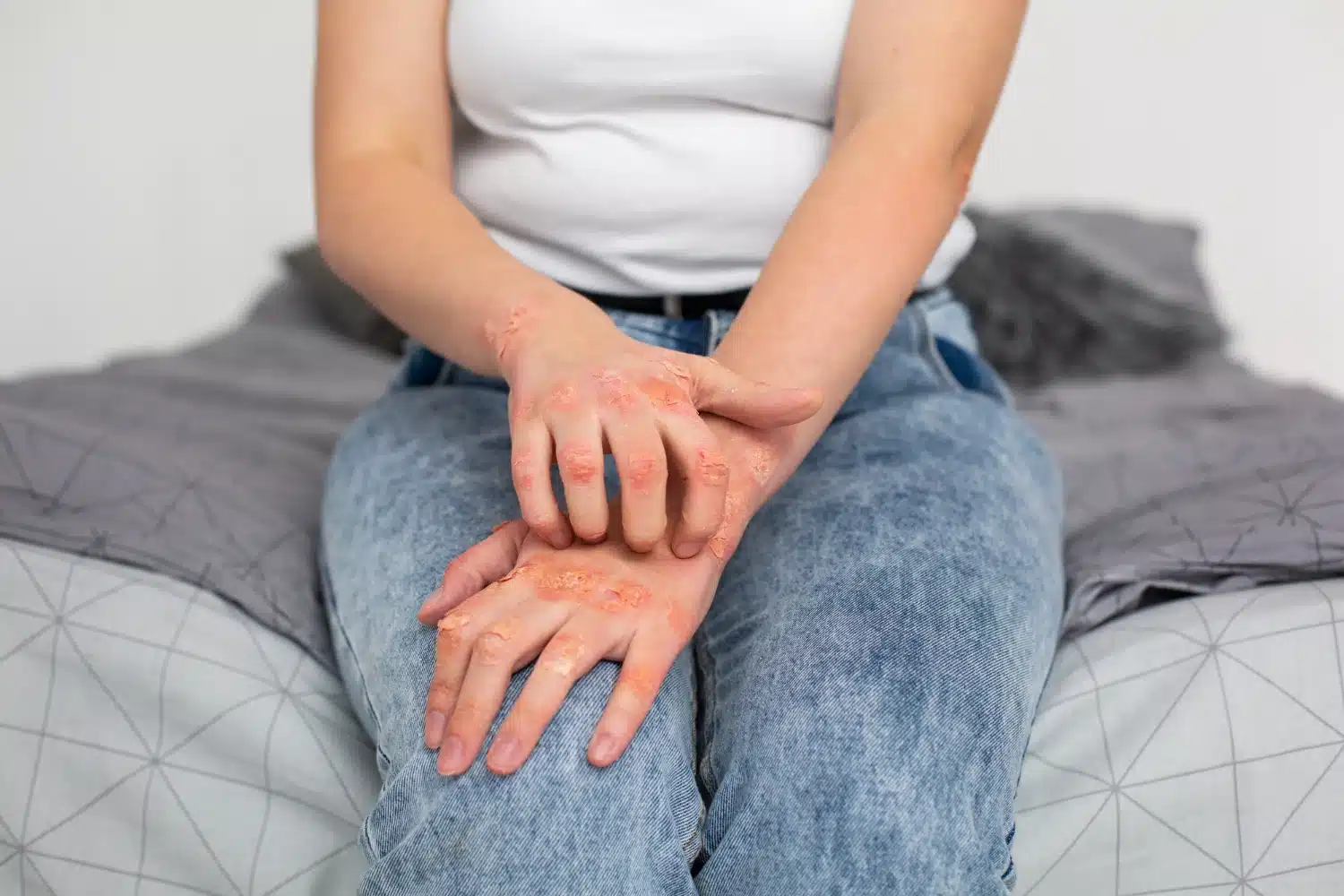
Shingles, a viral infection also known as Herpes Zoster, is becoming a growing concern among older adults in the Philippines, as it can lead to serious complications if not properly diagnosed and treated. Health experts are raising awareness about the disease, its symptoms, and the importance of seeking medical attention to prevent long-term health issues.
What is Shingles?
Shingles is caused by the varicella-zoster virus (VZV), the same virus responsible for chickenpox. After recovering from chickenpox, the virus remains dormant in the body, specifically in the nervous system, and can reactivate later in life as shingles. This reactivation often occurs when the immune system is weakened, particularly in older adults.
According to infectious disease expert Dr. Rontgene Solante, one out of three adults aged 50 years or older is at risk of developing shingles. He emphasized the importance of recognizing the early signs of the disease and consulting a doctor immediately to prevent severe complications.
Symptoms of Shingles
The early symptoms of shingles often include:
- Skin sensitivity
- Tingling, itching, or pain on one side of the body
- Red rashes or spots that turn into blisters over time
Dr. Irene Robredo-Vitas, a dermatologist, noted that many patients initially mistake their symptoms for allergic reactions to skincare products. However, shingles is more than just a skin condition—it comes with pain and discomfort that can significantly affect a person’s daily life.
“A characteristic of shingles is rash growing on one side of the body. If it is the left side of the body, you’ll see them on the left side of the body only, but the rash also comes with pain,” Dr. Solante explained. In some cases, the pain can be so severe that patients find it difficult to wear clothes or perform simple tasks.
Complications of Shingles
Shingles can lead to several complications if left untreated, especially among older adults:
- Postherpetic neuralgia (PHN): About 30 percent of patients with shingles experience long-term nerve pain, known as PHN, which can last for months or even years after the rash has cleared.
- Vision loss: One in four patients may develop shingles near the eyes, potentially leading to vision loss.
- Increased morbidity: Shingles can also lead to anxiety, depression, and reduced quality of life due to the pain and discomfort caused by the infection.
Who Is at Risk?
Anyone who has had chickenpox is at risk of developing shingles later in life, particularly if they are over the age of 50. The virus lies dormant in the nerve tissue and can be reactivated when the immune system is compromised. People with weakened immune systems due to chronic illnesses, medications, or aging are more susceptible to shingles.
Raising Awareness and Encouraging Proper Treatment
To address the growing concern about shingles in the Philippines, global biopharma company GSK (GlaxoSmithKline) has launched a nationwide awareness campaign. The campaign aims to educate Filipinos about the risks of shingles, the importance of proper treatment, and the role of vaccination in prevention.
Health experts strongly advise against self-medication and encourage individuals to seek professional medical advice if they experience symptoms of shingles. Early diagnosis and treatment can help manage the pain and reduce the risk of complications.
If you’re aged 50 or older, or if you’ve had chickenpox in the past, it’s essential to be aware of the symptoms of shingles and consult a healthcare provider at the earliest signs of the disease.
For more information about shingles prevention and treatment, visit your nearest SureVax Clinic and speak to a healthcare professional today.
Source: Philippine News Agency.


 Anti-Rabies Vaccine (Pre-Exposure)