
Vaccines
Lab Tests & Diagnostics
Quezon City
The Anti-Rabies Pre-Exposure Prophylaxis (PrEP) is a preventive vaccination given before any potential rabies exposure. It builds baseline immunity in individuals at higher risk due to their profession, travel, or environment — reducing infection risk and simplifying post-exposure treatment if a bite ever occurs.
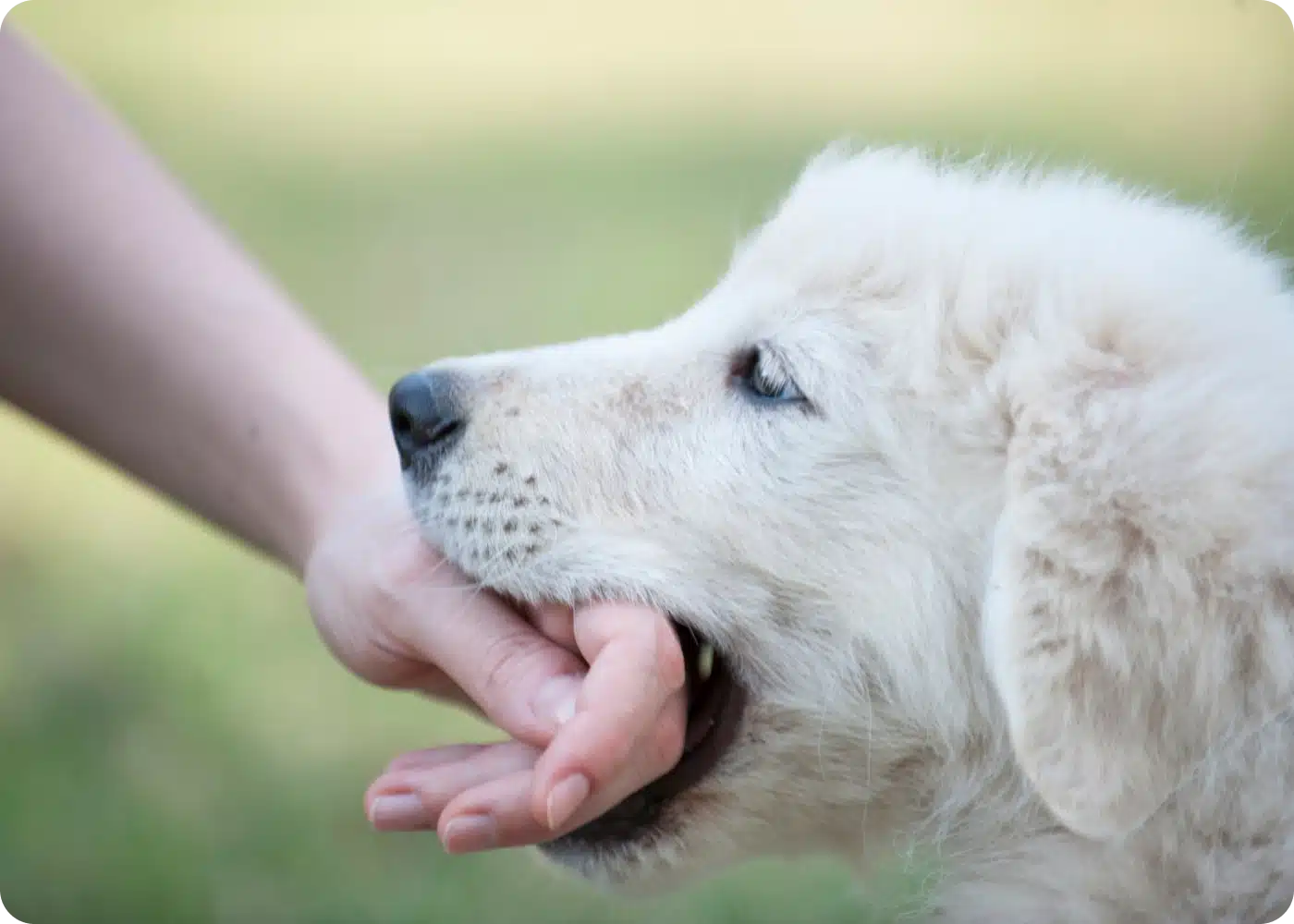
Key things to know about the vaccine and how it works.
The pre-exposure rabies vaccine helps individuals develop an immune response to the rabies virus before exposure occurs.
This preemptive immunity reduces the risk of severe infection if bitten or scratched later.
Pre-exposure vaccination is especially recommended for people in high-risk occupations or living in rabies-endemic areas.
It serves as a proactive measure to safeguard health.
The pre-exposure regimen involves 3 doses of the anti-rabies vaccine, typically given on Days 0, 7, and 21 or 28.
Even if vaccinated with PrEP, individuals still require post-exposure prophylaxis (PEP) following an animal bite but need fewer vaccine doses and no rabies immunoglobulin (RIG).
The vaccine is safe and well-tolerated, with minor side effects like redness or soreness at the injection site.
Should you get vaccinated? Who are high-risk individuals?
The Anti-Rabies (Post-Exposure) vaccine provides life-saving protection by preventing the development of rabies after potential exposure, ensuring safety and peace of mind.
Reduces the severity of rabies exposure by ensuring the body can respond quickly and effectively if bitten.
Pre-vaccinated individuals require fewer post-exposure vaccine doses and no rabies immunoglobulin (RIG), making treatment faster and easier.
Essential for people regularly exposed to animals, ensuring ongoing protection without waiting for exposure to occur.
Travelers to rabies-endemic regions gain confidence in their safety, knowing they are protected even in remote locations with limited healthcare access.
Provides durable immunity with booster doses recommended every 3–5 years for individuals at continuous risk.
Answers to what patients ask most often about this vaccine.
PrEP involves receiving anti-rabies vaccines before exposure to provide immunity against rabies, primarily for individuals at higher risk
High-risk groups, including veterinarians, wildlife workers, frequent travelers to rabies-endemic areas, and children living in high-risk regions, should consider PrEP
The standard PrEP regimen includes 3 doses given on Days 0, 7, and 21 or 28. Booster doses are recommended for ongoing risk every 3–5 years
Yes, but vaccinated individuals only need 2 doses of the rabies vaccine on Days 0 and 3 instead of the full PEP series, and RIG is not required
Yes, the rabies vaccine is safe, with most side effects limited to mild pain, swelling, or redness at the injection site
Immunity can last several years. Booster shots are recommended based on risk levels and periodic antibody checks
Yes, children at higher risk, particularly in endemic areas, can and should receive PrEP
If you have minimal exposure to animals, PrEP may not be necessary. Consult a healthcare provider to assess your risk
Coverage varies; check with your provider. Many insurance plans cover PrEP for high-risk individuals
Yes, the rabies vaccine does not require downtime. Ensure all doses are completed before travel for optimal protection
Walk in or book ahead at any of our 15 SureVax branches across Metro Manila. Open daily 7 AM–9 PM.
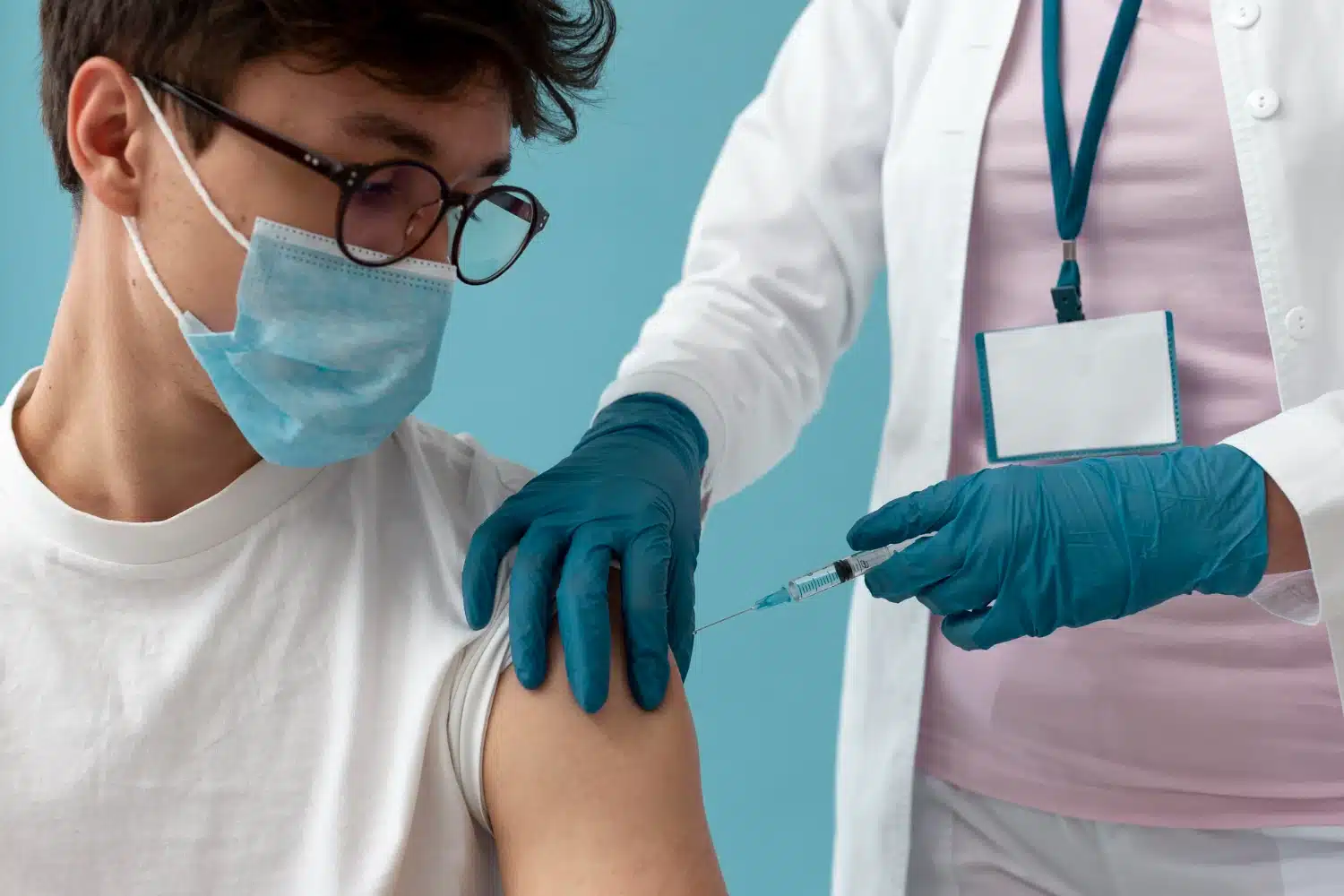
Rabies Pre-exposition In the Philippines, PrEP protects high-risk rabies patients. Discover who needs Surevax, how it works, an…
Read More →
Learn about the potential side effects of the anti-rabies vaccine from Surevax. Get informed about common and rare reactions to…
Read More →