
Vaccines
Lab Tests & Diagnostics
Quezon City
The Shingles Vaccine provides long-lasting immunity against the varicella-zoster virus — the same virus that causes chickenpox and can reactivate later in life as shingles. It is recommended for adults over 50 and for those with weakened immune systems, and significantly reduces the risk of painful rash and postherpetic neuralgia.
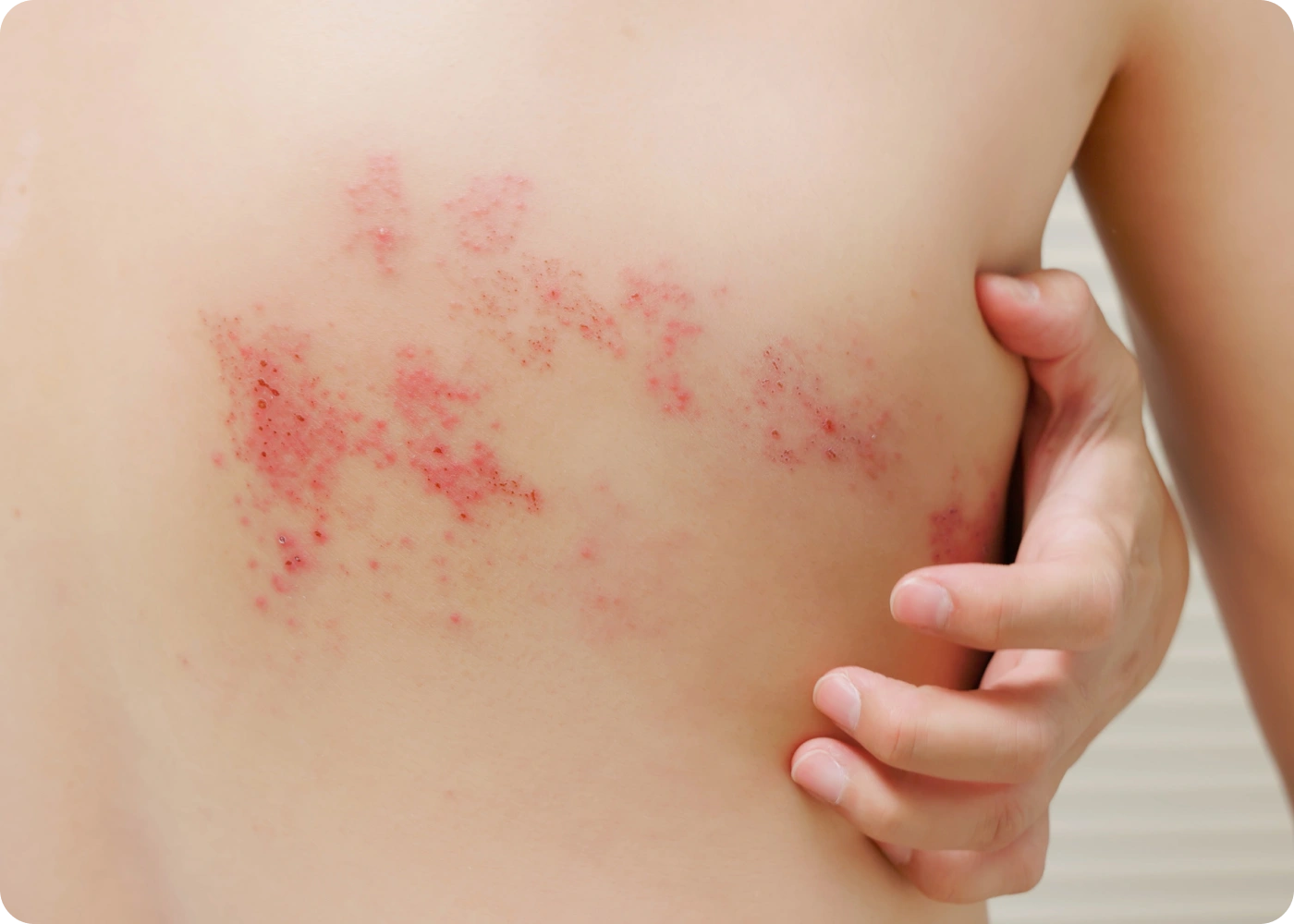
Key things to know about the vaccine and how it works.
The shingles vaccine is known to provide long-lasting immunity, significantly lowering the risk of shingles outbreaks over time.
It’s particularly effective for adults over 50, who are at increased risk of severe symptoms.
Common side effects include mild soreness or swelling at the injection site and occasional fatigue, which generally resolve within a few days.
More serious side effects are rare, making it a safe option for most people.
The vaccine is especially recommended for individuals with weakened immune systems or chronic health conditions, as they face greater risks of severe complications from shingles.
Given the chance of long-term nerve pain (postherpetic neuralgia) from shingles, the vaccine helps prevent painful episodes, supporting better quality of life, particularly for older adults.
Who should prioritize the shingles vaccine? When is the best time to get vaccinated?
The shingles vaccine provides valuable protection, helping reduce the risk of a painful illness and supporting a healthier, more active life as we age.
The vaccine significantly lowers the chance of developing shingles, a painful rash that can last for weeks.
By preventing a painful condition, the vaccine can improve overall quality of life, reducing days lost to pain, discomfort, and restricted activities.
Knowing you're protected from a painful illness can provide peace of mind, reducing anxiety about potential health issues.
The vaccine helps avoid one of the more common illnesses that can affect aging adults, supporting a healthier and more active lifestyle.
By lowering the risk of shingles and its complications, the vaccine can reduce medical expenses and the need for treatments, lessening the burden on caregivers and families.
Answers to what patients ask most often about this vaccine.
Shingles is a viral infection caused by the varicella-zoster virus, the same virus responsible for chickenpox. It results in a painful rash, often appearing as a stripe of blisters on one side of the body
Anyone who has had chickenpox is at risk since the virus can remain dormant and reactivate as shingles. The risk increases with age, especially for those 50 and older
Symptoms typically start with pain, tingling, or itching on one side of the body, followed by a rash that turns into painful blisters. Fever, headache, and fatigue may also occur
The vaccine is highly effective, reducing the risk of shingles by over 90% in most adults and providing long-lasting protection
Shingles usually last 2 to 4 weeks, but complications like postherpetic neuralgia (PHN)—long-lasting nerve pain—can persist for months or years
Yes, although uncommon, it is possible to get shingles more than once. The shingles vaccine helps reduce the risk of recurrence
PHN is a complication of shingles that involves severe, lasting nerve pain after the rash has healed, often impacting older adults
The vaccine boosts the immune response to prevent the reactivation of the virus, reducing the risk of shingles and complications. It’s recommended for adults aged 50 and older, and for those 19 and older with weakened immune systems
Common side effects include redness, swelling, or soreness at the injection site, as well as fatigue, headache, and mild fever. These effects are usually temporary
Shingles itself isn’t contagious, but the varicella-zoster virus can spread through direct contact with the fluid from shingles blisters to someone who hasn’t had chickenpox, potentially causing chickenpox in that person. The vaccine significantly lowers the chance of developing shingles, a painful rash that can last for weeks. Shingles usually lasts 2 to 4 weeks, but complications like postherpetic neuralgia (PHN)—a long-lasting nerve pain—can persist for months or years
Walk in or book ahead at any of our 15 SureVax branches across Metro Manila. Open daily 7 AM–9 PM.
Shingles is surrounded by many misconceptions that can hinder proper prevention and treatment. It's essential to separate fact…
Read More →
Shingles, a viral infection also known as Herpes Zoster, is becoming a growing concern among older adults in the Philippines, a…
Read More →